
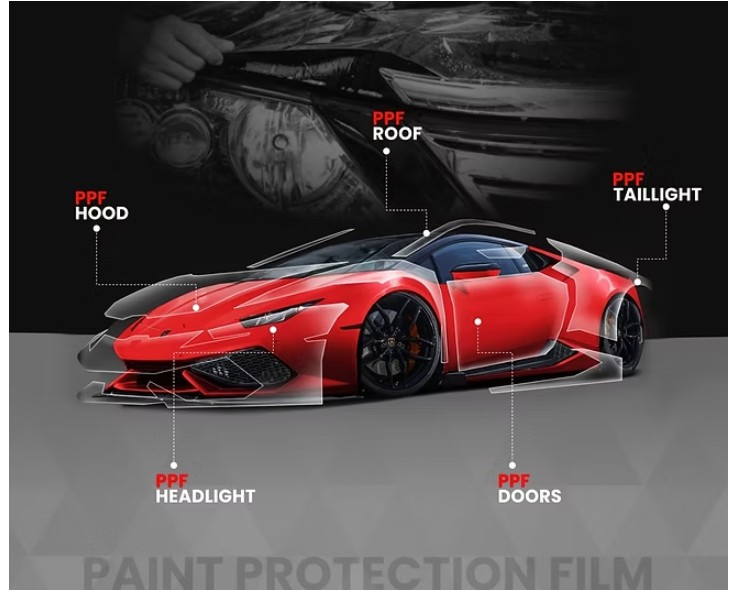
Paint protection film is most valuable where a vehicle is actually struck, not where a package name says protection should go. An Auckland commuter using city streets has a different damage pattern from a motorway driver, a rural vehicle or a performance car with wide, sticky tyres. Coverage should follow exposure, paint condition and budget.
For drivers comparing paint protection film Auckland or car PPF Auckland services, the first decision is not full car versus no film. It is which panels carry the highest probability and cost of damage, and how visible the film edges will be on the specific colour and body shape.
Identify the vehicle’s real impact zones
The front bumper, bonnet leading edge, front guards and mirrors commonly face stone chips and road debris. Sills, rear wheel arches and lower doors may be exposed by tyre spray, passengers or loading. Piano-black trim, headlights and luggage areas have their own scratch patterns.
Walk around the vehicle with the installer and mark existing damage. New film will not make a stone chip disappear, and contamination trapped at a defect can remain visible. If touch-up or correction is planned, agree what will be done and what result is realistic before film covers the area.
Partial front coverage trades price for visible boundaries
A partial package can protect the bumper, mirrors and a leading section of bonnet and guards. It costs less and targets common impact zones, but it leaves an exposed boundary across painted panels. Dirt and wax can collect at the line, and the protected and unprotected paint may age differently.
Full-front coverage extends film across complete bonnet and guards, moving edges to panel boundaries and improving visual continuity. It does not protect doors, roof, rear quarters or other exposed areas. The right choice depends on the damage pattern and how sensitive the owner is to visible seams.
Protouch publishes partial, full-front and full-vehicle concepts. The quote should list every panel because package names are not standardized across installers.
Full-vehicle PPF is not automatically the best value
Full coverage can suit valuable paint, frequent motorway use, track exposure or owners who want a consistent protected surface. It also costs more, requires more disassembly and creates more edges and complex areas to inspect.
Daily drivers may get stronger value by combining a full front with targeted sills, luggage lip, door cups or rear impact zones. Spending should follow replacement and repaint risk, not the assumption that leaving any panel uncovered makes the job incomplete.
Preparation remains visible under clear film
Protouch describes washing, chemical decontamination, clay treatment, machine polishing and degreasing as preparation, with chip or deeper-defect work where needed. Clear PPF can preserve the appearance underneath, including defects that were not corrected.
The installer should inspect paint thickness and repair history where correction is planned. Aggressive polishing is not justified simply to make film installation easier. New cars also need inspection; transport film, dealer preparation and storage can leave contamination or marks.
Template fit and wrapped edges have different trade-offs
Computer-cut templates reduce cutting near paint and can make installation repeatable. They may leave selected edges visible. Extending or wrapping edges can make film less noticeable, but only where there is enough clean surface and safe access.
Protouch states that it wraps edges where possible to create a more invisible result. Buyers should ask which edges on their vehicle can be wrapped, which require disassembly, and where seams or relief cuts remain. A promise of “no visible edges” across every geometry is less credible than a panel-by-panel explanation.
Film properties need an exact product name
Terms such as self-healing, hydrophobic and stain-resistant depend on the film and top coat, test conditions and maintenance. Ask for manufacturer, series, thickness, finish, warranty and exclusions. Matte, gloss and coloured PPF may behave and look different.
Self-healing generally addresses fine surface marks under suitable heat; it does not repair tears, deep cuts or damage that reaches the paint. PPF can reduce stone-chip risk but is not armour against every impact.
Auckland use adds sun, rain and coastal exposure
UV, road grime, bird droppings, insects, mineral deposits and coastal contamination can affect film and exposed paint. Washing should follow the film maker’s guidance, especially around pressure-washer distance and edge direction. Harsh chemicals and abrasive polishing can shorten the useful appearance.
Contamination should be removed promptly but safely. The installer should explain which sealants or coatings are compatible and whether a ceramic top layer is included, optional or unnecessary for the chosen film.
Inspect installation under more than one light
On collection, view the vehicle outdoors and under strong workshop light. Check edges, corners, seams, trapped contamination, stretch marks and alignment around sensors and badges. Some installation moisture may change as film settles; the shop should explain what is normal and when to return.
A follow-up inspection is useful after the initial period. Early edge lift can often be corrected before dirt enters. Keep the product and warranty documents, invoice, panel list and photographs.
Questions that make PPF quotations comparable
- Which exact panels and trim pieces are covered?
- Which existing chips, scratches or repainted areas have been identified?
- What preparation and paint correction are included?
- Which film manufacturer, series and finish will be installed?
- Where will template edges, wrapped edges, seams and relief cuts appear?
- What disassembly is planned and who owns related risk?
- What do installation and manufacturer warranties exclude?
- When is the first wash and follow-up inspection recommended?
Auckland owners can review Protouch vehicle protection services and its paint protection film options before selecting panels.
The best PPF plan is not the largest package. It is the one that puts quality film and careful preparation on the panels most likely to be damaged, with edges and limitations explained before installation.